Home › Training, Behavior & Exercise
Harness vs Collar for Dachshunds: What Vet Sources Say
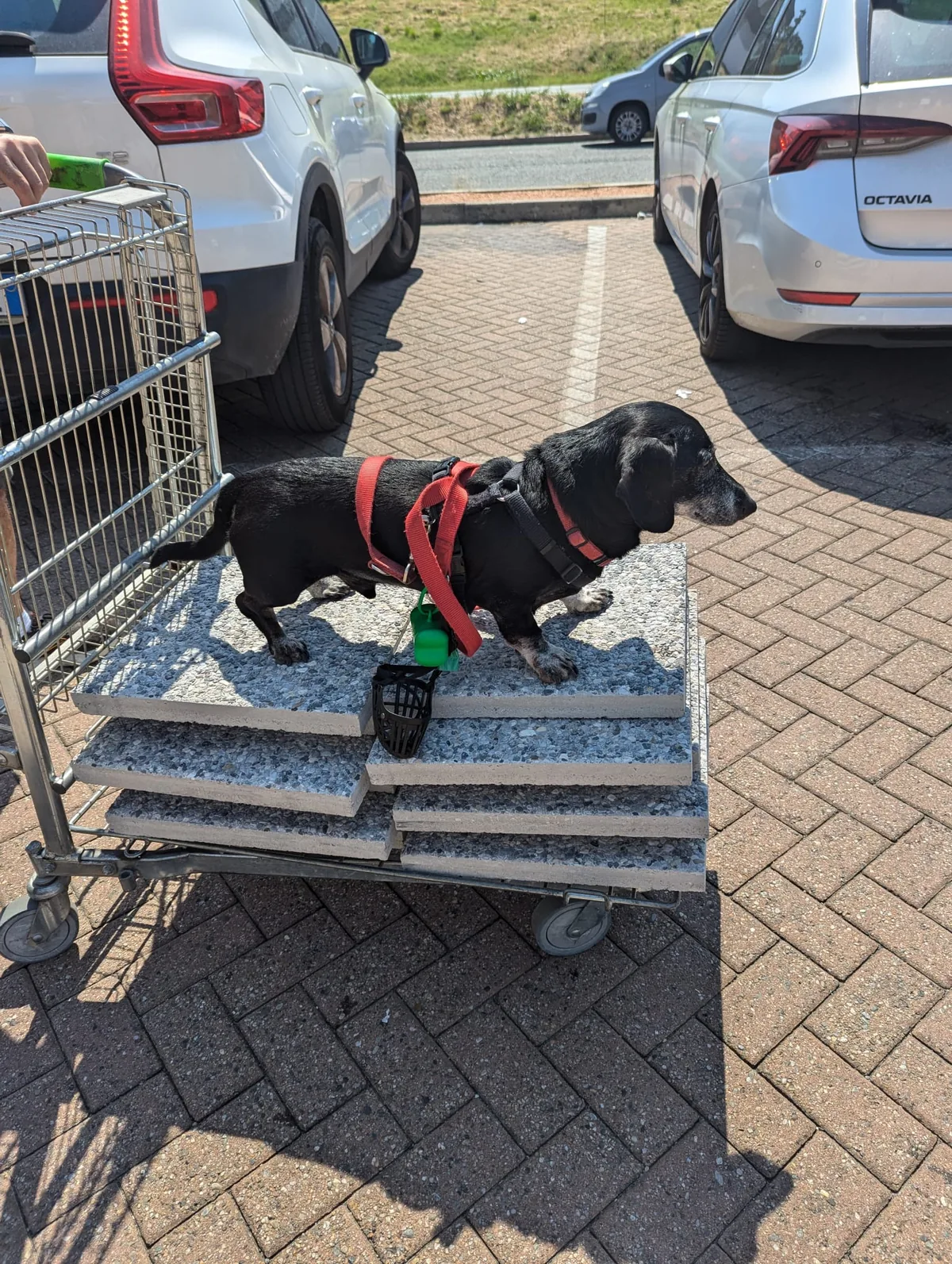
Photo: Guzzi01 via Wikimedia Commons, CC BY 4.0
🐾 Getting ready for a puppy? Try the interactive Dachshund puppy checklist — free, no email required.
Shopping lists love “best Dachshund harness” roundups. Veterinary pages are quieter and more useful: they talk about reducing neck pressure when the spine is vulnerable. This guide summarizes what ACVS and VCA actually say—and what they do not promise.
Educational only. Follow your veterinarian’s plan for your dog.
What ACVS and VCA say
ACVS on IVDD includes lifestyle changes after care: weight loss, switching to a body harness instead of a neck lead, and minimizing jumping off furniture.
VCA’s cervical intervertebral disc disease page states that all affected dogs should be fitted with a harness instead of a neck collar, with limited activity early in recovery, and that strict rest is required for the first 3–6 weeks after a disc protrusion or rupture (with or without surgery)—timelines your vet sets.
VCA’s degenerative disc overview lists Dachshunds among high-incidence breeds and describes how quickly some dogs can lose the ability to walk. That urgency is why neck and back conversations matter before gear debates.
Collar roles that still make sense
A flat collar can hold ID tags even when walks use a harness. Martingales, choke chains and prong collars concentrate force on the neck—discuss any aversive tools with a qualified trainer and your vet; this site does not recommend them for Dachshunds with disc risk.
Fit and training, not SKUs
Clip the leash so the dog cannot duck out. Teach loose-leash walking with rewards so the harness is not a tow strap. Front-clip designs can reduce pulling for some dogs; others do better with back-clip plus training. Individual necks, chests and surgical scars differ—ask your clinic or rehab team after IVDD.
Tie it to the whole plan
Harness choice sits beside lean body condition, ramp habits and early pain recognition. See IVDD and back problems and back-safe exercise. No piece of gear replaces veterinary care when your dog is painful or weak.
Frequently asked questions
Do veterinary sources prefer a harness after IVDD?
ACVS lists switching to a body harness instead of a neck lead among lifestyle changes after IVDD care. VCA's cervical disc page says affected dogs should be fitted with a harness instead of a neck collar and have activity limited early in recovery. Your own veterinarian decides what fits your dog's neck and spine status.
Can a healthy Dachshund still wear a flat collar?
Many dogs wear ID collars for tags. Walking equipment is a separate choice. If your dog pulls hard, has neck pain, or has a disc history, ask your vet before relying on collar pressure for walks.
What matters in harness fit?
The harness should not rub armpits raw, restrict shoulder motion excessively, or sit on the throat. You should be able to slip two fingers under straps without the dog slipping out. Have a trainer or vet tech check fit if you are unsure—this site does not rank brands.
Does a harness prevent IVDD?
No. Disc disease in Dachshunds has strong breed and genetic components. Harness use is a mechanical kindness discussed after injury or for dogs that strain on a collar—not a cure or guarantee.
A quick note: this guide is general information from published sources, written by dog lovers, not a veterinarian. Your own vet knows your dog's history, so check with them before changing food, exercise or treatment.
Sources
Keep reading
IVDD and Back Problems in Dachshunds: Vet-Sourced Guidance
What intervertebral disc disease (IVDD) means for Dachshunds, signs to watch for, and when to call your veterinarian—based on ACVS, VCA and peer-reviewed research.

Dachshund Back-Safe Exercise, Stairs and Ramps
How to think about Dachshund exercise, stairs and furniture ramps using ACVS, VCA and peer-reviewed lifestyle research—without inventing prevention guarantees.