Your Dachshund Puppy's First Week at Home
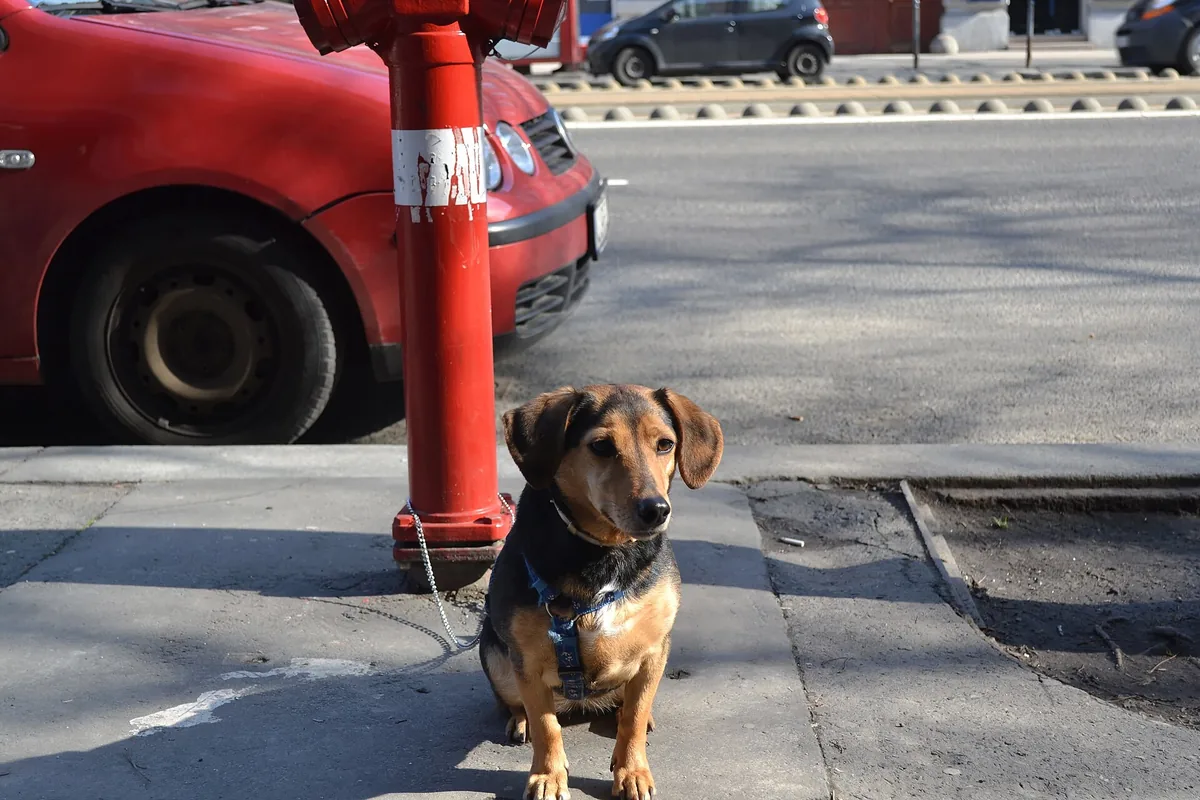
Photo: Slyronit via Wikimedia Commons, CC BY-SA 4.0
Bringing home a Dachshund puppy is exciting—and easier when the first week stays calm. The AKC Official Standard describes a clever, lively, courageous companion built long and low for hunting work. That bold streak settles faster with predictable meals, potty trips, sleep and gentle handling.
This guide is educational. Your veterinarian sets vaccine, parasite and wellness plans. Use our /puppy-checklist/ for supply prep—it is a planning aid, not a medical schedule.
Keep the first days quiet
Skip the welcome party. Limit visitors to household members and give the puppy one or two dog-proofed rooms. Place a crate or pen, water and a soft bed where floors clean easily. Watch for fatigue: restless nipping or frantic play often means the puppy needs a nap, not more stimulation.
Potty and meal rhythm
VCA house training emphasizes frequent opportunities tied to physiology: after meals or a big drink, after waking, during high-energy play, about every 1–2 hours when awake, and about every 4 hours even while resting. Carry or leash-walk the puppy to one outdoor spot, wait calmly, then praise success. Clean accidents thoroughly so scent does not invite a repeat.
The AKC potty-training overview stresses consistency, supervision and positive reinforcement, and notes that how long a puppy can hold urine varies by age and individual. Do not punish accidents.
Feed measured meals on a schedule rather than free-feeding so digestion windows stay predictable. Keep the food the breeder or rescue used at first; ask your veterinarian before changing diet or portions.
Crate as a den, not a timeout
Introduce the crate with meals, toys and short rests nearby. VCA notes that short crate periods—and learning to sleep there—can support housetraining when used thoughtfully. Never use the crate as punishment. If the puppy panics, shorten sessions and ask your vet or a force-free trainer for help.
Protect the long back from day one
Pick up with support under chest and hind end. Block unsupervised sofa jumps and steep stairs until you have a plan with your veterinarian. Adult back-aware habits are covered in back-safe exercise, stairs and ramps.
First vet visit timing
Ask your clinic when to schedule the first wellness exam based on age, prior vaccines and any records from the breeder or rescue. Bring those records and note breathing, appetite, stools and energy. Growth tracking belongs with your vet—see weight by age.
A quiet week of rhythm and gentle handling builds confidence for the months ahead.
Frequently asked questions
How quiet should the first days be?
Keep the first days low-key. Limit visitors and let the puppy explore a small, dog-proofed area. Overstimulation makes rest and housetraining harder. Your veterinarian sets vaccine and wellness timing—ask the clinic when to book the first visit rather than inventing a home deadline.
How often should a Dachshund puppy go out to potty?
VCA house-training guidance lists trips after meals or large drinks, after naps, during high-energy play, about every 1–2 hours when awake, and about every 4 hours even while resting. AKC notes young puppies generally need frequent opportunities and that individual needs vary. Supervise closely and praise outdoor success.
Is a crate okay in week one?
A crate can be a calm den when introduced kindly—not a punishment. VCA notes short crate periods for young puppies and that many learn to rest there. Keep sessions brief, watch for distress, and follow your vet or trainer if crate use is stressful.
What about stairs and furniture jumps?
Dachshunds are long and low from the start. Teach gentle handling and avoid unsupervised leaps off sofas. See our back-safe exercise guide for adult habits; puppies still need individualized advice from your veterinarian.
A quick note: this guide is general information from published sources, written by dog lovers, not a veterinarian. Your own vet knows your dog's history, so check with them before changing food, exercise or treatment.
Sources
Keep reading

Dachshund Weight by Age: Standard vs Miniature
What the AKC breed standard says about standard and miniature Dachshund weight, how to track growth with your vet, and why body condition matters more than a single number.

Dachshund Back-Safe Exercise, Stairs and Ramps
How to think about Dachshund exercise, stairs and furniture ramps using ACVS, VCA and peer-reviewed lifestyle research—without inventing prevention guarantees.