Choosing a Dachshund: Buying or Adopting Checklist
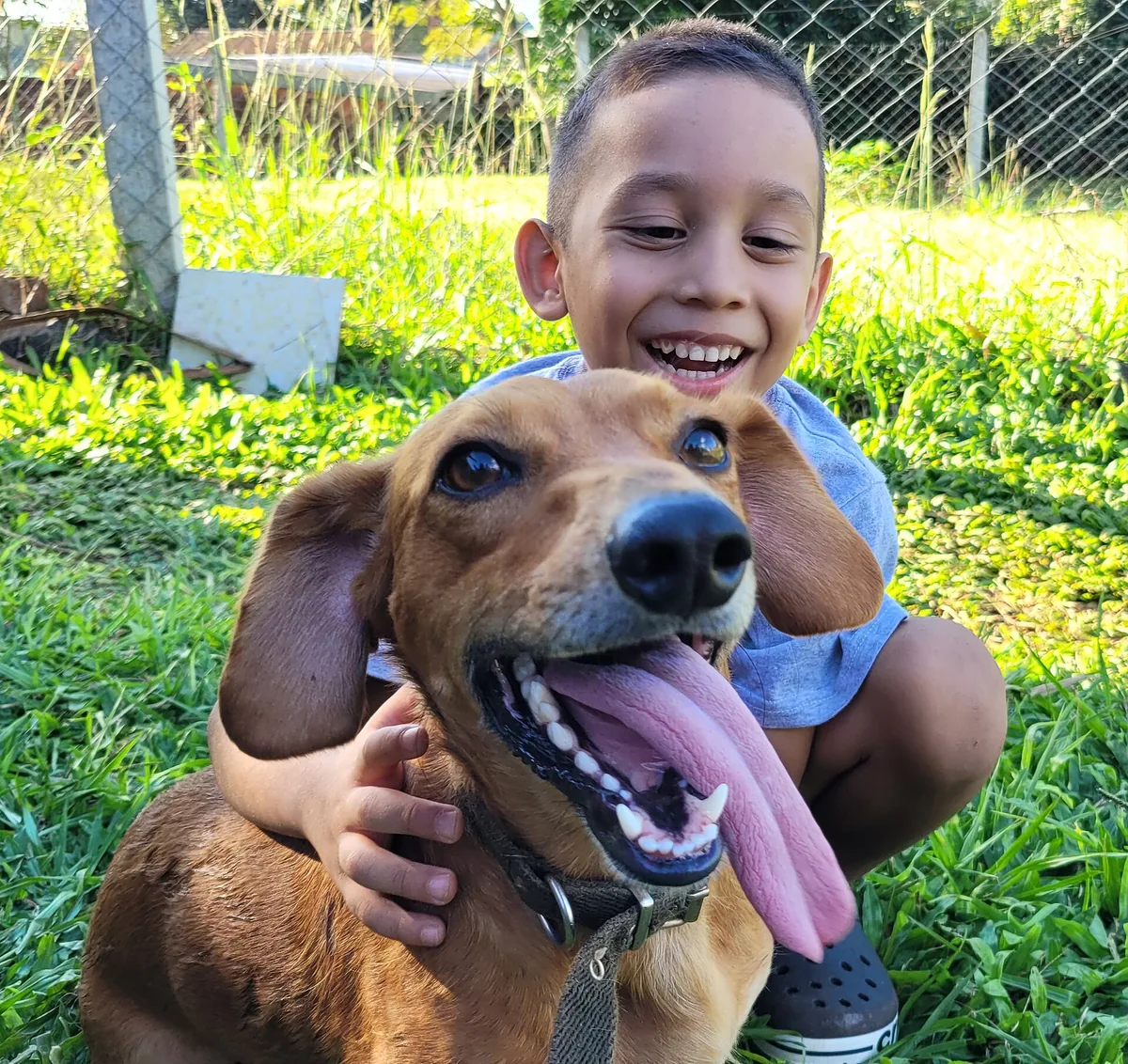
Photo: Horacio Cambeiro via Wikimedia Commons, CC BY-SA 4.0
Choosing a Dachshund—puppy or adult, breeder or rescue—should feel joyful and grounded. Short legs and long backs are part of the breed, so health questions deserve calm specificity. This checklist stays educational: no breeder rankings, no prices and no guarantees.
Know the size language
The AKC Official Standard describes two sizes and three coats. Miniatures are a class division (11 pounds and under at 12 months and older), not a separate breed. Standards usually weigh 16–32 pounds. “Teacup” marketing is not AKC size language—see weight by age.
Ask about backs without demanding miracles
ACVS notes Dachshunds account for a large share of disc-rupture cases. Jensen and Christensen (2000) estimated heritability of disc calcification around 0.60–0.87 depending on the scale—evidence of a strong genetic component for that marker, not a crystal ball for one puppy. Packer et al. (DachsLife 2015) reported population prevalence figures and lifestyle associations with reverse-causality caveats.
Useful questions:
- Have close relatives had IVDD, surgery or chronic back pain? At what ages?
- What health tests were done on the parents (eyes, cardiac, patellas, optional spine radiographs)?
- May I see written results and verify registry reports?
- What happens contractually if a congenital or early neurologic problem appears?
Screening programs—not slogans
Dachshund IVDD UK explains radiographic screening concepts and research links for the breed. The AKC Canine Health Foundation IVDD overview summarizes the disease for owners. Any DNA test marketed for IVDD should be discussed with a veterinarian—no test makes a dog “100% cleared.”
Rescue and rehoming
Ask about prior mobility limits, crate-rest history, medications and behavior with stairs. Plan a wellness exam soon after arrival. Adult dogs can thrive with ramp habits and lean weight even after past episodes—under veterinary guidance.
After you decide
Prep with the puppy first week guide and /puppy-checklist/, and read IVDD and back problems so you know soft signs before you need them. A thoughtful question list beats a perfect marketing promise.
Frequently asked questions
What is the difference between standard and miniature?
Per the AKC Official Standard, Dachshunds are shown in two sizes. Miniatures compete in a class division for 11 pounds and under at 12 months of age and older; they are not a separate AKC breed classification. Standard weight is usually between 16 and 32 pounds. Confirm expectations with your veterinarian as the dog grows.
Can a breeder promise an IVDD-free puppy?
No responsible source can guarantee a disc-free dog. Jensen and Christensen (2000) estimated high heritability of disc calcification in Dachshunds, and Packer et al. discuss multifactorial risk. Ask for honest family history and any screening results you can verify—not marketing claims of "IVDD-free lines.
What screening programs exist?
Programs such as radiographic scoring of disc calcification are discussed by breed health initiatives (for example Dachshund IVDD UK's X-ray scheme overview). Ask what scheme was used, at what age, and for written results. Screening reduces uncertainty; it does not erase risk.
What should rescues provide?
Ask for known medical history, prior back episodes, current medications, and whether the dog has been cleared for stairs or jumping. Schedule an exam with your own veterinarian promptly after adoption.
A quick note: this guide is general information from published sources, written by dog lovers, not a veterinarian. Your own vet knows your dog's history, so check with them before changing food, exercise or treatment.
Sources
- AKC: Official Standard of the Dachshund (PDF)
- AKC: Dachshund breed information
- Jensen & Christensen (2000): Inheritance of disc calcification in the dachshund, J Vet Med A
- Packer et al. (2016): DachsLife 2015 — lifestyle associations with IVDD risk in Dachshunds
- AKC Canine Health Foundation: Overview of Intervertebral Disk Disease (IVDD)
- Dachshund IVDD UK: Screening and research overview
Keep reading

IVDD and Back Problems in Dachshunds: Vet-Sourced Guidance
What intervertebral disc disease (IVDD) means for Dachshunds, signs to watch for, and when to call your veterinarian—based on ACVS, VCA and peer-reviewed research.

Dachshund Weight by Age: Standard vs Miniature
What the AKC breed standard says about standard and miniature Dachshund weight, how to track growth with your vet, and why body condition matters more than a single number.


Your Dachshund Puppy's First Week at Home
A calm first week with a Dachshund puppy—quiet homecoming, potty rhythm, crate basics and long-body jump limits—with vet timing set by your clinic.