Crate Rest After an IVDD Episode: Follow Your Vet's Plan
Please see your vet. This guide is general education, not a diagnosis or treatment plan. If your Dachshund seems unwell, call your veterinarian. If it looks like an emergency, go to an emergency vet right away.
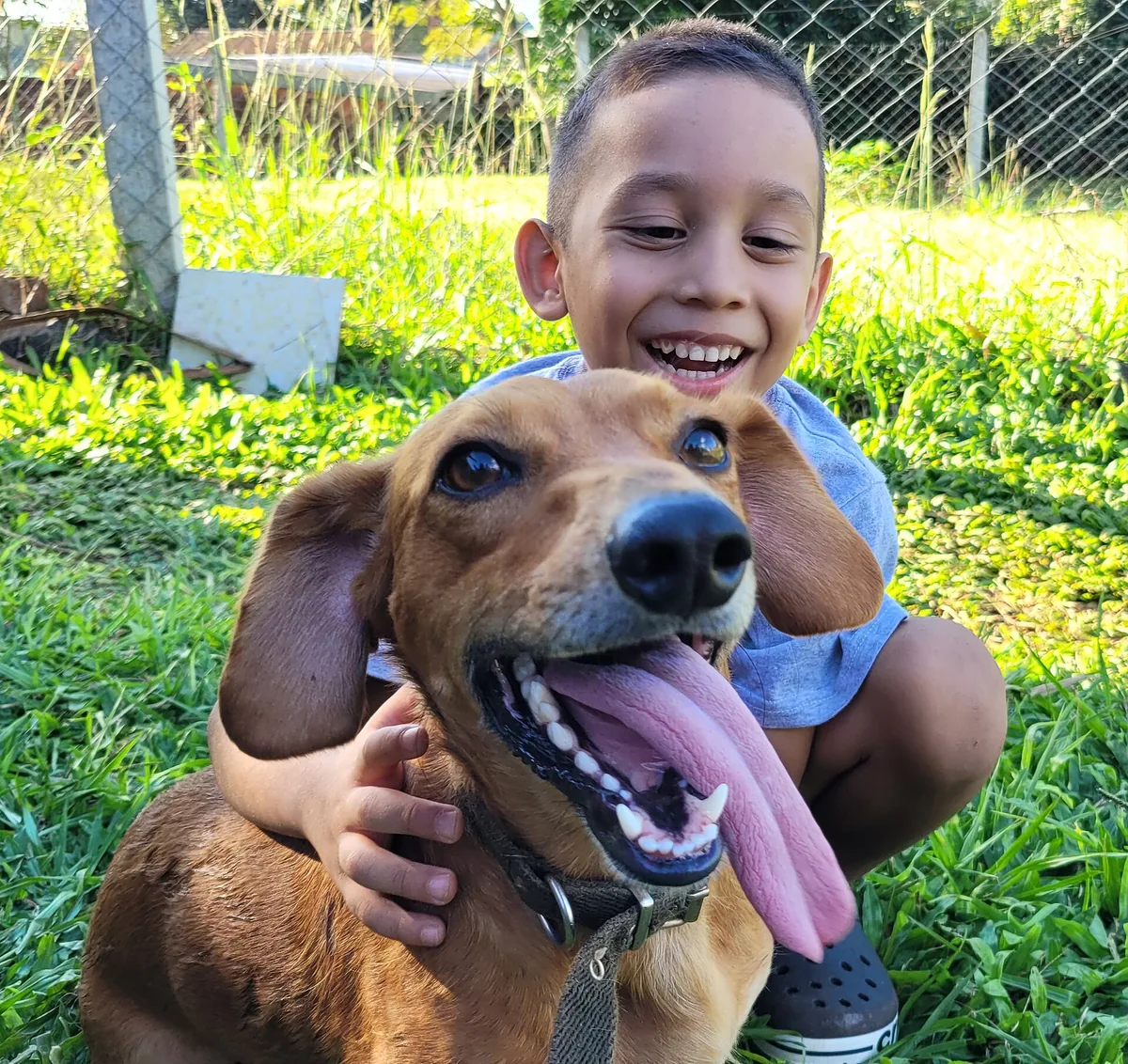
Photo: Horacio Cambeiro via Wikimedia Commons, CC BY-SA 4.0
Hearing that your Dachshund needs strict crate rest after an IVDD episode is hard. Energetic hounds do not vote for confinement. In veterinary care, though, rest is active treatment: it gives a damaged disc and spinal cord a chance to stabilize.
Follow your veterinarian’s written discharge instructions. Ranges below are what major sources publish—they do not replace your dog’s plan.
Why rest is prescribed
ACVS explains that conservative care with cage rest, confinement and pain medication is often considered for dogs with a mild first episode and mild neurologic deficits. After surgery to remove herniated disc material, recovery discussions include bladder care when needed, rehabilitation, and exercise restriction to “bed rest” for at least 4 weeks, plus lifestyle changes such as weight loss, a body harness instead of a neck lead, and minimizing furniture jumps.
Cornell notes that dogs who have spinal surgery need crate rest initially, then strictly controlled exercise while they heal, and that recovery can take months. Post-op dogs may need help toileting and monitoring for pressure sores.
Published rest windows (still individual)
VCA cervical IVDD states that strict rest is required in the first 3–6 weeks following a disc protrusion or rupture, with or without surgery, and that the veterinarian will prescribe increasing activity as healing progresses. Affected dogs should use a harness instead of a neck collar.
Do not end rest early because walking looks normal. Internal healing lags behind cheerfulness.
What “strict” usually means in practice
Exact rules come from your clinic. Typical discharge themes include:
- Confinement to a crate or small pen except for brief, assisted leash potty breaks
- No stairs, sofas, rough play, or off-leash running
- Medications exactly as prescribed—even when the dog seems pain-free
- Bladder plans only as demonstrated by the veterinary team
Rehabilitation is not DIY
ACVS lists physical rehabilitation among recovery elements. Timing, exercises and underwater treadmill work belong to veterinarians and credentialed rehab therapists. Random “IVDD PT” videos can undo weeks of healing.
When you graduate from rest, revisit harness vs collar and back-safe exercise with your vet’s clearance—not before.
Frequently asked questions
How long does crate rest last?
Duration is individual. VCA's cervical disc page states strict rest is required in the first 3–6 weeks after a disc protrusion or rupture, with or without surgery, and that your veterinarian will prescribe increasing activity as healing progresses. ACVS describes exercise restriction to "bed rest" for at least 4 weeks in postoperative recovery discussions. Never shorten a prescribed window because your dog seems cheerful—follow the written plan.
Why is confinement considered treatment?
Movement bends and compresses a healing disc and inflamed spinal cord. ACVS discusses cage rest and confinement as part of conservative care for selected mild first episodes, and postoperative restriction after decompression surgery. Pain meds can mask discomfort so the dog tries to run before tissues are ready.
What about bathroom breaks and the bladder?
Cornell notes post-surgery dogs may need help toileting and monitoring for pressure sores. Some dogs need scheduled bladder expression—only as taught by your veterinary team. Ask before assuming the dog can free-roam to the yard.
Can I start home physical therapy videos on day three?
No. Rehabilitation is specialist territory. ACVS mentions physical rehabilitation for strength and flexibility as part of recovery planning—timed by the surgeon or neurologist, not by social media timelines.
A quick note: this guide is general information from published sources, written by dog lovers, not a veterinarian. Your own vet knows your dog's history, so check with them before changing food, exercise or treatment.
Sources
Keep reading

IVDD and Back Problems in Dachshunds: Vet-Sourced Guidance
What intervertebral disc disease (IVDD) means for Dachshunds, signs to watch for, and when to call your veterinarian—based on ACVS, VCA and peer-reviewed research.
Early Back Pain Signs in Dachshunds: An Owner Checklist
Soft signs of Dachshund back pain before paralysis—reluctance to jump, hunched posture, yelping—plus ACVS progression cues and when to seek emergency care.

Harness vs Collar for Dachshunds: What Vet Sources Say
Why ACVS and VCA discuss body harnesses after neck or back disc disease in dogs—fit and training basics without product rankings or 'we tested' claims.