Dachshund Senior Care Basics: Mobility, Weight and Checkups
Please see your vet. This guide is general education, not a diagnosis or treatment plan. If your Dachshund seems unwell, call your veterinarian. If it looks like an emergency, go to an emergency vet right away.
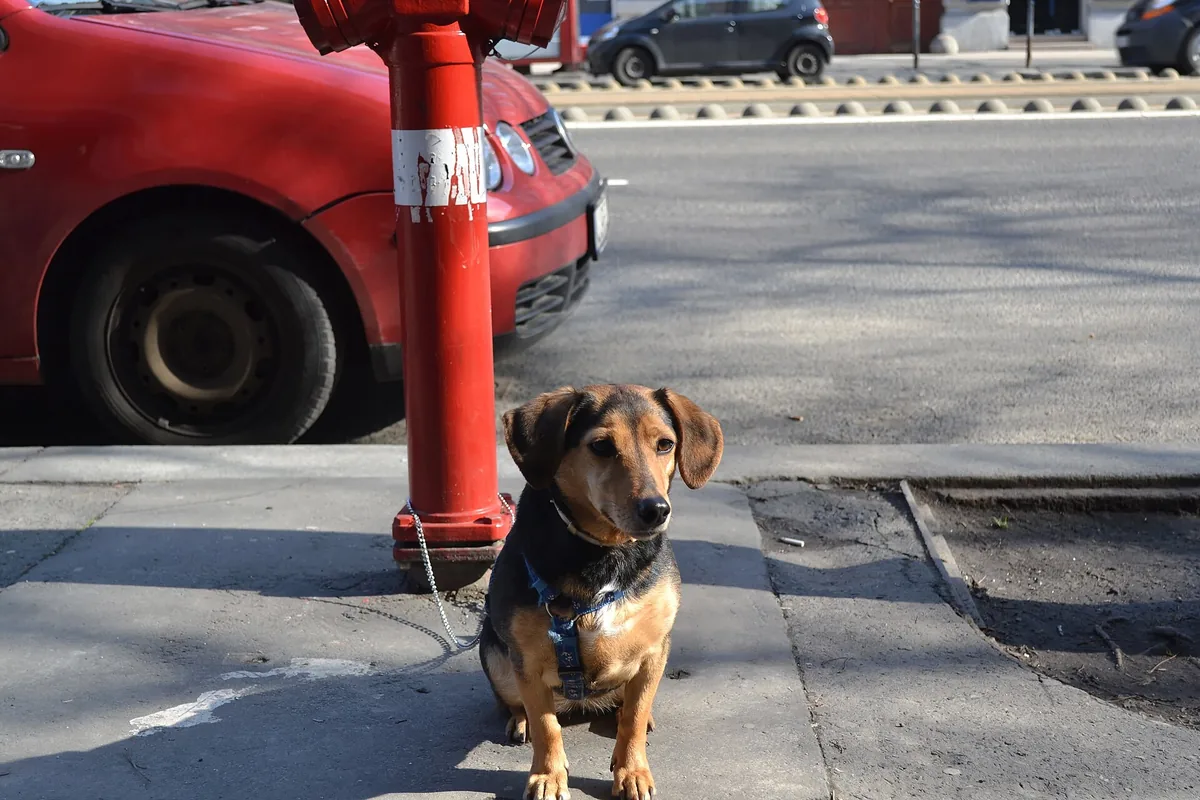
Photo: Slyronit via Wikimedia Commons, CC BY-SA 4.0
Long, low seniors deserve the same hunting-heart respect they had as puppies—plus extra attention to traction, calories and subtle change. This guide summarizes published senior-care themes and how they intersect with Dachshund backs.
Educational only. Your veterinarian designs the wellness plan.
What “senior” means
VCA senior dog care notes that small breeds may be considered senior around 10–12 years, while giant breeds age earlier. Aging affects every organ system. AKC’s lifespan overview discusses how size and breed influence life expectancy in general terms—ask your clinic what to expect for your dog rather than relying on a single internet average.
Checkups and screening
VCA recommends exams at least twice a year for seniors and lists warning signs such as sustained increased thirst or urination, weight loss or gain, and behavior change. AAHA Senior Care Table 1 outlines diagnostic tests many clinics consider every 6–12 months. Bring a weight log; our /tools/weight-journal/ stores observations only.
Lean body, safer movement
Obesity remains a major senior issue (VCA obesity). On a Dachshund frame, extra weight loads arthritic joints and a long spine. ACVS still lists weight loss and fewer furniture jumps among post-IVDD lifestyle themes. Non-slip rugs, night lights and ramps (VCA mentions ramps or stairs to furniture) reduce scramble injuries—see back-safe exercise.
Dental and everyday comfort
VCA lists dental disease among common senior problems. Bad breath, drooling or reluctance to chew deserve a dental assessment—not only a different kibble brand.
Acute back signs still count
Age does not cancel IVDD risk. Sudden paralysis, knuckling or severe back pain is an emergency at fifteen just as at five. Review early back pain signs and IVDD.
Keep senior Dachshunds lean, sure-footed and closely watched—and let the veterinary team set the medical schedule.
Frequently asked questions
How often should a senior Dachshund see the vet?
VCA's senior dog care page recommends veterinary examination at least twice a year because health changes can be subtle. Ask your clinic what bloodwork, urine tests or imaging fit your dog. AAHA senior-care tables discuss many diagnostic tests every 6–12 months—your veterinarian individualizes the panel.
What problems are common in older dogs?
VCA lists osteoarthritis, obesity, dental disease, hormonal disorders, kidney and liver disease, heart disease, cancer and cognitive dysfunction among issues more common in seniors. Dachshunds also remain at risk for disc disease—sudden paralysis is still an emergency at any age.
Should seniors keep using ramps?
VCA suggests providing a ramp or stairs if a senior prefers the couch or bed. ACVS lifestyle notes after IVDD also emphasize minimizing furniture jumps. Match equipment to your vet's advice for arthritis versus acute spinal disease.
How do I tell aging stiffness from an IVDD crisis?
Gradual morning stiffness that warms out differs from sudden yelping, a hunched back, knuckling or loss of hind-limb strength. When in doubt, call your veterinarian or emergency clinic the same day—see our early back-pain guide.
A quick note: this guide is general information from published sources, written by dog lovers, not a veterinarian. Your own vet knows your dog's history, so check with them before changing food, exercise or treatment.
Sources
Keep reading

IVDD and Back Problems in Dachshunds: Vet-Sourced Guidance
What intervertebral disc disease (IVDD) means for Dachshunds, signs to watch for, and when to call your veterinarian—based on ACVS, VCA and peer-reviewed research.

Keeping a Dachshund Lean: Body Condition Over the Scale
Why lean body condition matters for a Dachshund's long back—WSAVA BCS ideas, VCA obesity risks and ACVS weight notes, with portion changes guided by your vet.

Dachshund Back-Safe Exercise, Stairs and Ramps
How to think about Dachshund exercise, stairs and furniture ramps using ACVS, VCA and peer-reviewed lifestyle research—without inventing prevention guarantees.